

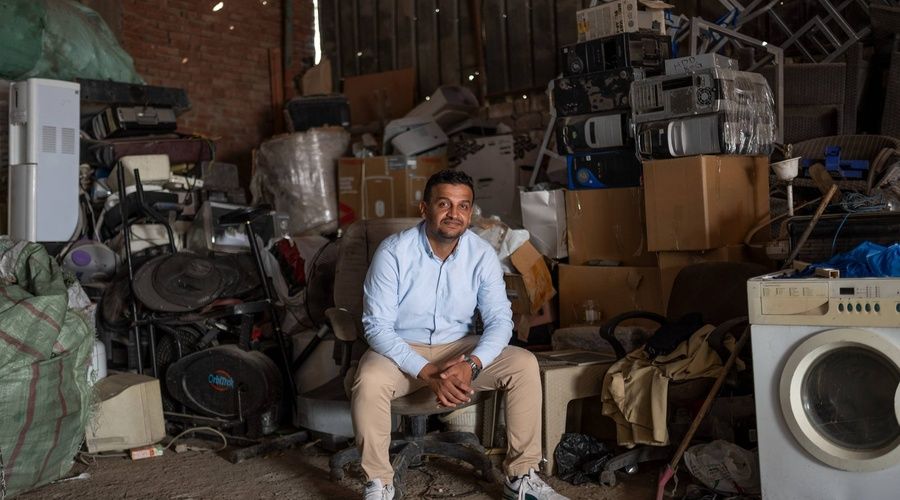
Egypt-based recycling technology startup Bekia has raised $765,000 in Seed funding to expand its technology platform and launch its first B2B software product, Bekia Next.
The round was led by Madica, the Africa-focused investment programme affiliated with Flourish Ventures, with follow-on investment from Catalyst Fund and participation from Dakar-based Jambaar Capital.
Founded in 2019 by Alaa Afifi, Bekia is building technology to digitise Egypt’s fragmented recycling ecosystem. The platform connects households with waste collectors while recording information including the supplier, weight and grade of collected materials, and payments, creating a traceable supply chain for recyclable waste.
The company started with a consumer-focused model that allows households to schedule waste pickups, have materials weighed at published rates and receive payments through bank accounts or digital wallets.
Bekia is now expanding further into B2B with Bekia Next, its first subscription-based software product. Scheduled to launch at the end of October, the platform will use Bekia’s collection data to provide corporate customers with verified CO₂-avoidance certificates based on established carbon accounting methodologies.
The startup says it has already diverted more than 25,000 tonnes of waste from landfills, served over 100,000 customers, and enabled more than 2,400 people to earn through its collection network. Bekia also reports that it has grown more than sevenfold since 2023, while its enterprise retention rate stands above 95%.
The company generates revenue through enterprise contracts, household collections and refurbished electronics, a business line that generated its first revenue in June 2026.
The latest funding will be used to expand Bekia’s engineering team, bring Bekia Next to market and begin testing the company’s model in a second African market.
The expansion comes as Egypt works to increase its municipal recycling rate to 60% by 2027, compared with around 37% in 2024. The country generates approximately 60,000 tonnes of municipal waste per day, while much of the collection ecosystem continues to operate through informal channels.
