

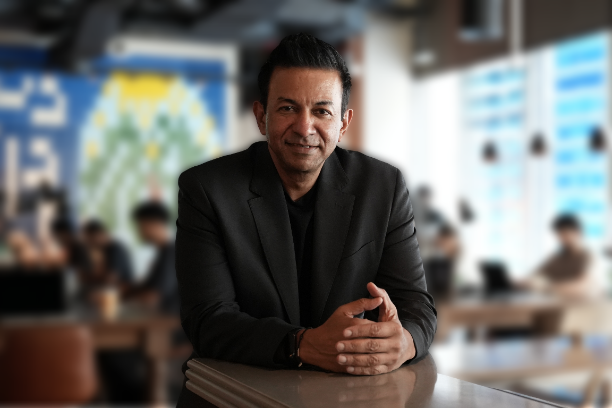
By Rajneel Kumar, Co-Founder, Rentify
A rental home can be where someone starts a new job, settles into a new city or makes room for a growing family. For its owner, that same property might represent years of saving and the hope of a more secure future.
Between them is a property manager responsible for making those expectations work together.
I think about those different perspectives when I think about what we are building at Rentify. Behind every lease and payment is a relationship that matters to someone. Technology should help the people responsible for those relationships look after them better.
That is a more meaningful ambition to me than simply making another transaction faster.
Rentify is now contracted across 180,000 rental units, representing approximately AED 12.5 billion in annual rental value and an estimated AED 210 billion in underlying property value. These figures describe our contracted portfolios.
That scale makes me ambitious about what we can improve and careful about what we promise. A contract is the beginning of a responsibility. The value has to be earned in the experience that follows.
Start with what people should be able to expect
Our starting point at Rentify was making rent payments simpler. The belief behind that work was straightforward: something so important to people’s lives should not be unnecessarily difficult.
That belief also shapes how we are building Earn AI.
An owner should be able to understand how their property is performing without uncertainty about the basics. A tenant should know that a payment has been received or that someone is taking responsibility for a request. A property manager should have the information and support to deliver on both sides.
None of those expectations is particularly ambitious on its own. Delivering them consistently is.
As a founder, I find that distinction important. It is easy to become absorbed in what technology can do. The more useful question is what people should be able to depend on because we have built it.
A feature may impress someone once. Reliability has to earn their confidence every day.
I want Rentify to be judged by that second standard.
Give good people more room to make a difference
When I think about AI in property management, I start with the value of the property manager.
They understand the owner’s priorities and the tenant’s circumstances. They make decisions that affect income, service and long-term relationships. They lead teams, resolve disagreements and take responsibility when something does not go to plan.
That contribution deserves better support.
Imagine a manager who has more time to speak with an owner about their plans, rather than spending the conversation establishing which information is current. Or a team that can give a difficult tenant situation the attention it needs without allowing routine work elsewhere to fall behind.
That is the kind of progress I want us to enable.
Property managers are our partners in building this future. Their experience should shape what useful technology looks like. They know the difference between something that looks impressive in a demonstration and something that genuinely improves a working day.
For me, the ambition is to help their expertise reach further.
A management business should be able to grow because its people are well equipped, its service is consistent and its owners trust it. Its most experienced people should have room to develop colleagues, strengthen relationships and build the business they want to lead.
Technology has a worthwhile role when it makes those possibilities more achievable.
Better renting should create value on both sides
I also believe we need a broader view of what a successful rental relationship looks like.
An owner’s interests and a tenant’s experience should not automatically be treated as competing priorities. A clear renewal conversation can help both sides plan. A well-handled repair can protect the property while making life better for the person living in it. Accurate payment information can give the owner confidence and spare the tenant unnecessary follow-ups.
The property manager helps turn those shared interests into a working relationship.
Our role is to make that easier, not to stand between the people involved.
For a tenant, the best technology may barely be noticeable. They know where things stand. They get an answer when they need one. When a situation calls for a conversation, there is a person with the context to help.
For an owner, it may mean greater confidence in the team looking after the property and a clearer understanding of the decisions being made.
These are ordinary expectations, but I think there is something powerful about meeting them well. People have enough to manage in their lives. Renting should not require them to repeatedly chase reassurance.
Scale should raise our standards
It would be easy to look at 180,000 contracted units and see a headline.
I see a reason to hold ourselves to a higher standard.
A small improvement can matter across a portfolio of that size. So can a mistake. That makes trust, clarity and accountability essential to the ambition.
We should be able to explain what the technology is doing. People should understand which decisions remain theirs. And when something needs human attention, the system should help the right person deal with it rather than create another obstacle.
Building responsibly does not make the vision smaller. It makes the vision worth pursuing.
I want us to be ambitious about what AI can contribute while staying grounded in the responsibilities that come with working around people’s homes, livelihoods and investments.
The test is not whether we can make the software appear more independent. It is whether the people using it become more confident and capable.
A future worth building
The future of renting I want to help build is one where property managers have more capacity to lead, owners have greater confidence in their investments and tenants feel properly looked after.
Earn AI is our contribution to that future.
The work is to make everyday renting more dependable while giving the people responsible for it more room to exercise their judgement. If we do that well, the benefit goes beyond a smoother process. A manager has the confidence to grow a business. An owner can plan with greater certainty. A tenant can spend less time managing the administration around their home and more time living in it.
That is what makes this worth building for me.
We will continue to talk about units, rental value and the scale of the opportunity. Those numbers matter. But they should never become more important than the people they represent.
We measure the market in units. We should measure progress in what becomes possible for the people behind them.
