

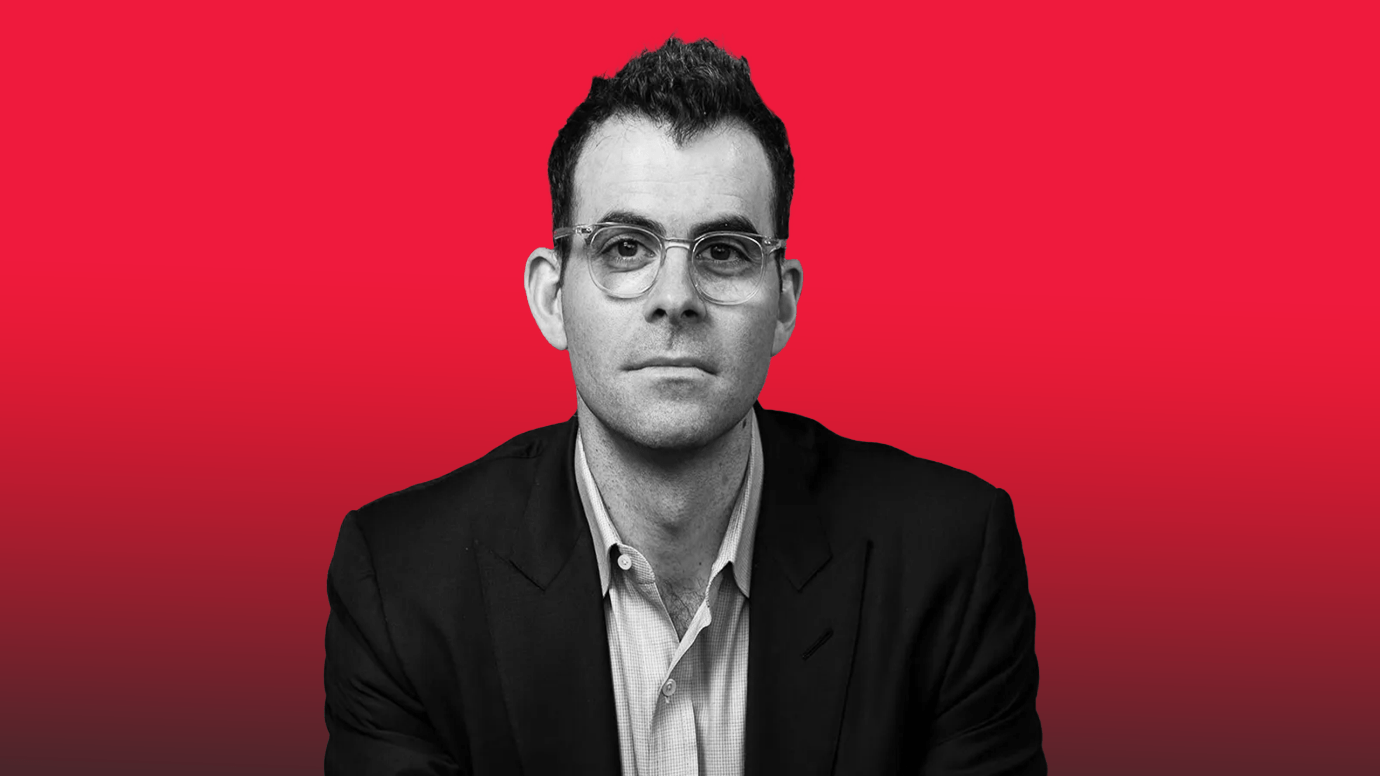
Instagram’s chief executive has publicly rejected claims that social media is clinically addictive, as he testified in a landmark California trial examining the industry’s impact on young users.
Adam Mosseri became the first senior executive to take the stand in a series of lawsuits filed against Meta, Snap Inc., TikTok and YouTube. Families and school districts allege the platforms were deliberately designed with addictive features that have harmed minors’ mental health.
“Clinical Addiction” vs. “Problematic Use”
Testifying in Los Angeles, in proceedings centred on a 20-year-old plaintiff identified as KGM, Mosseri told the court it was crucial to distinguish between clinical addiction and problematic use. He argued that psychologists do not formally recognise social media addiction as a medical diagnosis.
The plaintiffs’ legal team, led by prominent trial lawyer Mark Lanier, challenged whether Instagram prioritised growth over user safety. Particular scrutiny was placed on:
- Endless scrolling mechanics
- Algorithm-driven content feeds
- Cosmetic filters and body-image pressures
Mosseri maintained that features designed for younger audiences are tested before launch and that the company attempts to balance safety with avoiding excessive censorship.
Internal Messages Under the Microscope
Court proceedings referenced internal communications in which Meta researchers reportedly described Instagram as “a drug.” Plaintiffs argue such exchanges demonstrate senior-level awareness of the platform’s behavioural pull.
Meta’s legal team disputes the scientific foundation of addiction claims and contends that the plaintiff’s mental health challenges were not caused by platform design.
Safety Tools Questioned
The courtroom also heard from families who claim social media-related harms. One father attended after losing his teenage son in an online sextortion case involving a hacked Instagram account.
Although Instagram has rolled out youth safety features in recent years, a 2025 review by advocacy group Fairplay reportedly found that fewer than 20% of those tools were fully functional.
A Strategic Legal Shift
Notably, the litigation strategy focuses on product design rather than third-party content. This approach attempts to bypass Section 230-style federal protections that typically shield platforms from liability for user-generated content.
With multiple bellwether cases now underway, the trial could become a defining moment for executive accountability — and expose major social media companies to significant financial and reputational risk.
The broader question remains:
If social media isn’t clinically addictive, where does responsibility lie — design, usage habits, or regulation?
