

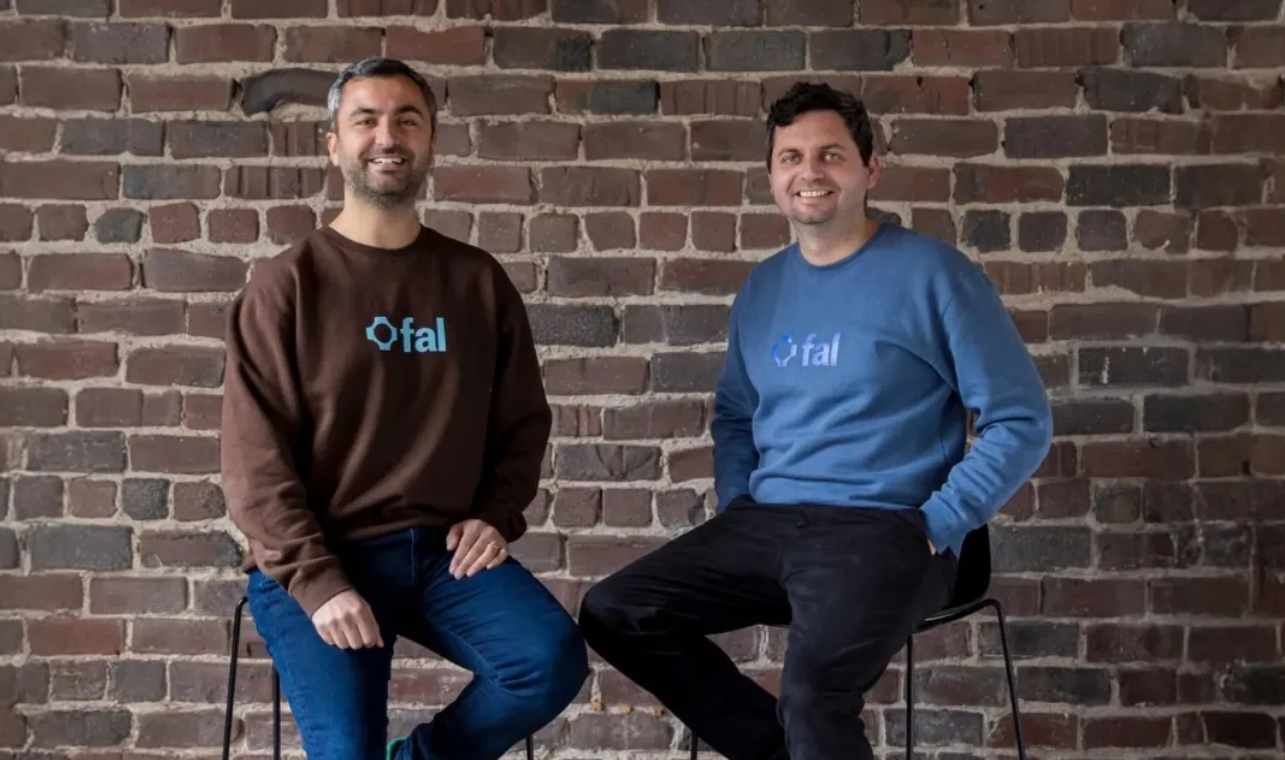
fal has secured a $140 million Series D round, tripling its valuation to $4.5 billion—a dramatic leap from the $1.5 billion valuation recorded just five months earlier. The San Francisco–based company, which powers real-time generative media infrastructure for developers, has now raised three funding rounds totaling $314 million in 2025, while its revenue skyrocketed from $10 million to more than $200 million in under 18 months.
The latest round was led by Sequoia, with participation from Kleiner Perkins and NVIDIA NVentures, further cementing fal’s position as the leading independent infrastructure layer for AI-generated images, video, audio, and 3D content. Today, fal serves clients such as Adobe, Canva, and Shopify, and gives developers access to more than 600 generative models via API. Sitting strategically between frontier model labs like OpenAI and hyperscale clouds like AWS, the company has emerged as one of the most critical enablers in the generative media stack.
Yet beneath the momentum lies a familiar industry tension. As one institutional allocator notes, “many cloud LLM hosts are losing a ton on GPU economics,” underscoring the harsh realities of AI infrastructure economics—massive capital expenditure, unpredictable supply cycles, and still-uncertain profitability.
To strengthen its ecosystem and widen its moat, fal continues to expand the Generative Media Fund, which provides startups with up to $250,000 in cash and compute credits, effectively encouraging new builders to adopt fal as their foundational layer.
But challenges remain. Margin pressure, aggressive pricing from cloud hyperscalers, and potential platform consolidation by model developers all pose risks. Still, Sequoia’s view is clear: the future of media is generated, not rendered—and fal owns the pipes.
With that conviction, fal now stands as one of the most influential infrastructure companies shaping the next era of generative media.
